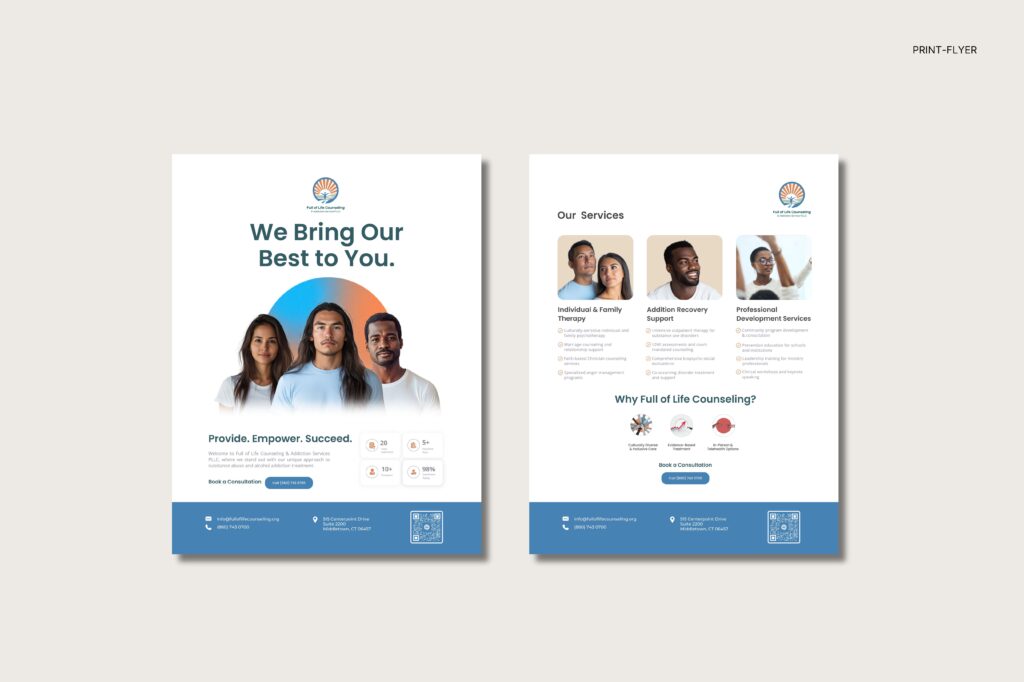
Digital Access Strategy, Omnichannel Marketing, Patient Advocacy, Community Engagement, Culturally Informed Care, Creative Direction.
SNAPSHOT
Discover how I helped Full of Life Counseling (FLCAS) evolve from a mission‑driven behavioral health provider with limited visibility into a robust, trust‑centered addiction recovery organization in under six months with offline-first digital access for rural communities while aligning brand, interoperable systems, and clinical capacity into a single system.
THE CLIENT
Full of Life Counseling & Addiction Services provides addiction recovery and mental health services to Native American and historically marginalized communities across rural America. Grounded in cultural humility, faith-based healing, and trauma-informed care, the organization serves populations facing geographic isolation, institutional mistrust, clinician shortages, and limited digital access.
THE BUSINESS CHALLENGE
Deep-rooted stigma and institutional mistrust: Historically marginalized communities often approach addiction treatment with caution due to past negative experiences with healthcare systems.
Limited brand visibility in rural markets: Despite strong clinical outcomes, FLCAS remained difficult to discover for patients and families seeking addiction recovery services.
Accessibility barriers in digital systems: Web-first access models excluded many rural patients who relied on phone, SMS, or low-bandwidth connections.
Therapist capacity constraints: Limited clinician availability restricted the organization’s ability to expand services.
Fragmented growth infrastructure: Marketing, patient access, workforce planning, and operations functioned in silos, preventing sustainable scaling.
THE SOLUTION
I. Brand Positioning & Community Engagement
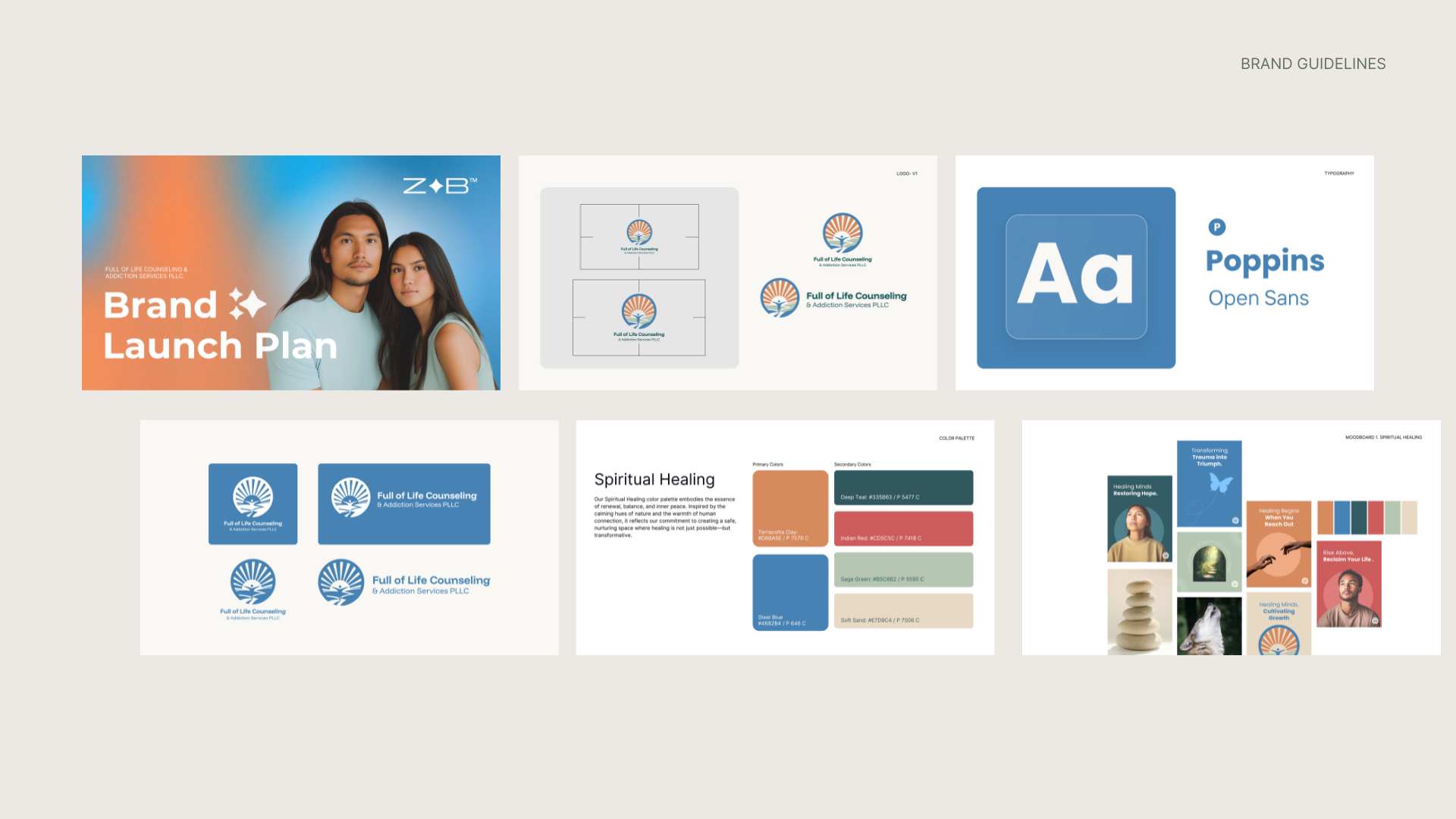
FLCAS was repositioned as ‘Your Healing Partner’. The brand narrative emphasized safety, dignity, cultural humility, and collaboration with families and communities.
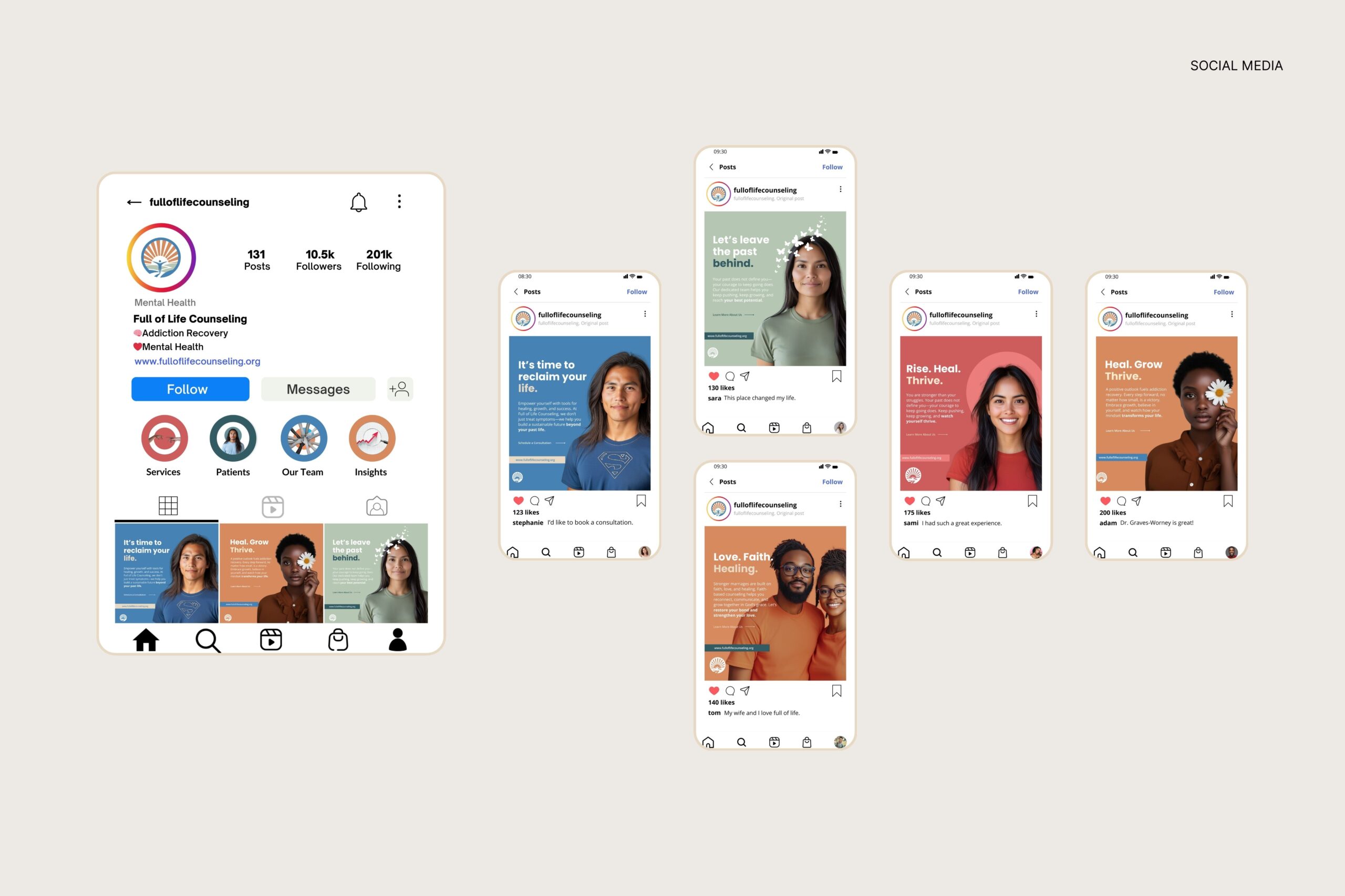
Messaging shifted away from institutional language toward culturally grounded storytelling. Multimedia initiatives such as the “I Am Rising Up” campaign and Soulscape, an art residency that highlights recovery experiences, helped normalize conversations about addiction and healing.
Community engagement through workshops, faith-centered counseling events, and recovery groups strengthened peer referrals and reinforced trust among tribal leaders, schools, churches, and families.
II. Access Infrastructure for Low-Tech Environments
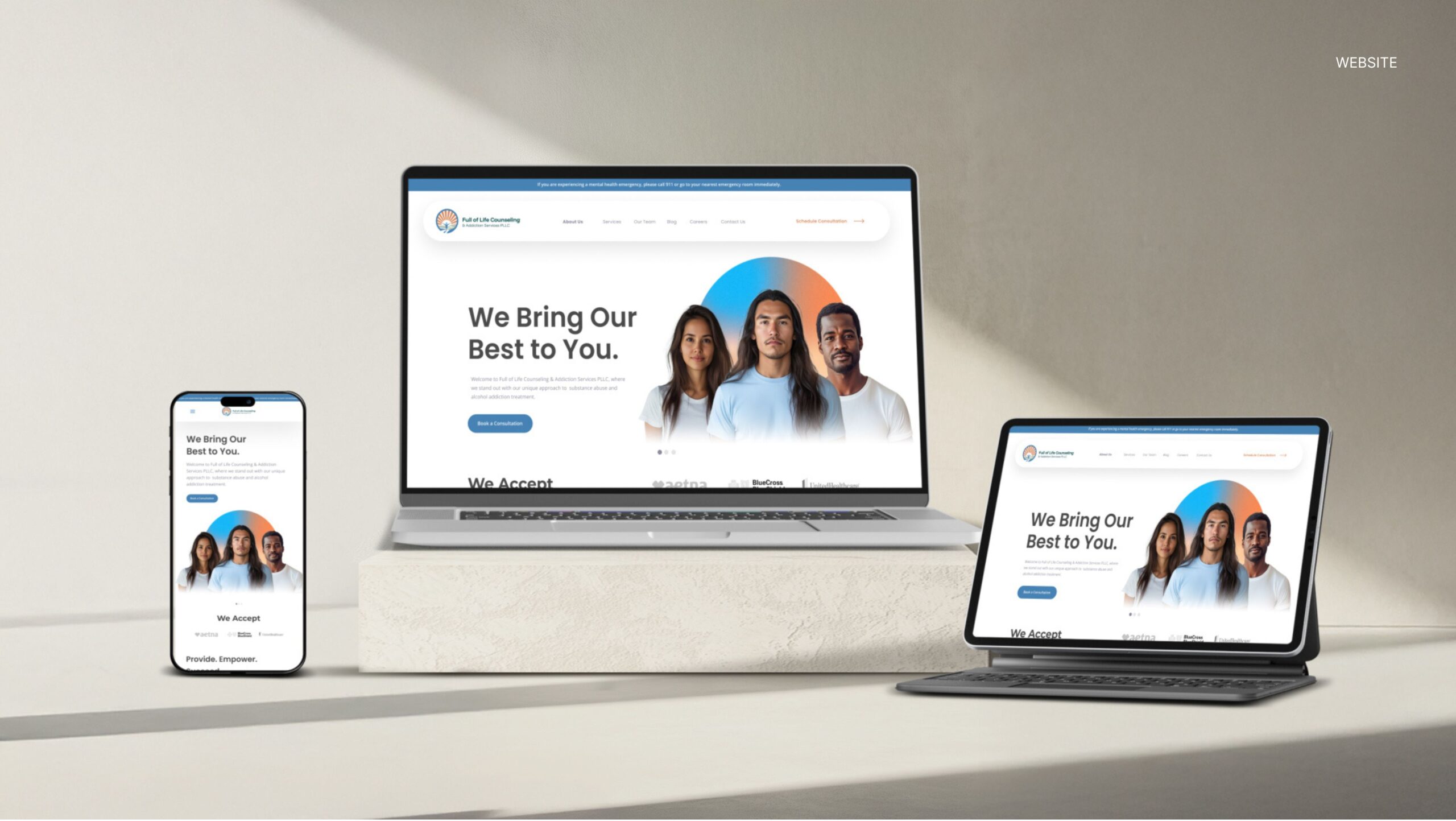
Access infrastructure was redesigned to reflect rural realities. A PWA-based web app, telehealth integration, phone support, and SMS channels created a multi-channel entry point for care.
Harmoni, an AI-powered care navigator, provided 24/7 support for crisis navigation, appointment booking, and patient guidance. Clear escalation protocols ensured high-risk situations were routed directly to licensed clinicians.
All interactions across web, chatbot, phone, and SMS flowed into a single secure scheduling and documentation system, giving clinicians a unified view of each patient’s journey while reducing administrative duplication.
III. Demand-Aligned Workforce Expansion
Therapist recruitment was aligned with patient demand to ensure growth translated into delivered care.
The “Join Our Healing Mission” campaign attracted culturally competent clinicians through university partnerships, referral incentives, and collaborations with Indigenous mental health organizations. By linking workforce planning with AI-enabled intake and scheduling data, FLCAS balanced caseloads, protected clinician well-being, and expanded care capacity.
THE IMPACT
Increase in patient appointments
0X
Faster patient intake and onboarding
0%
Lift in therapist utilization
%
KEY TAKEWAYS
Interoperability drives growth by turning every access point into a pathway to care.
Culturally grounded storytelling and community partnerships transform stigma into engagement and referrals.
Designing access around lived recovery experiences improves both outcomes and engagement.
Sustainable growth requires aligning patient demand with workforce planning to avoid waitlists and clinician burnout.